

Freedom-Makers: Maroons and the Underground Railroad
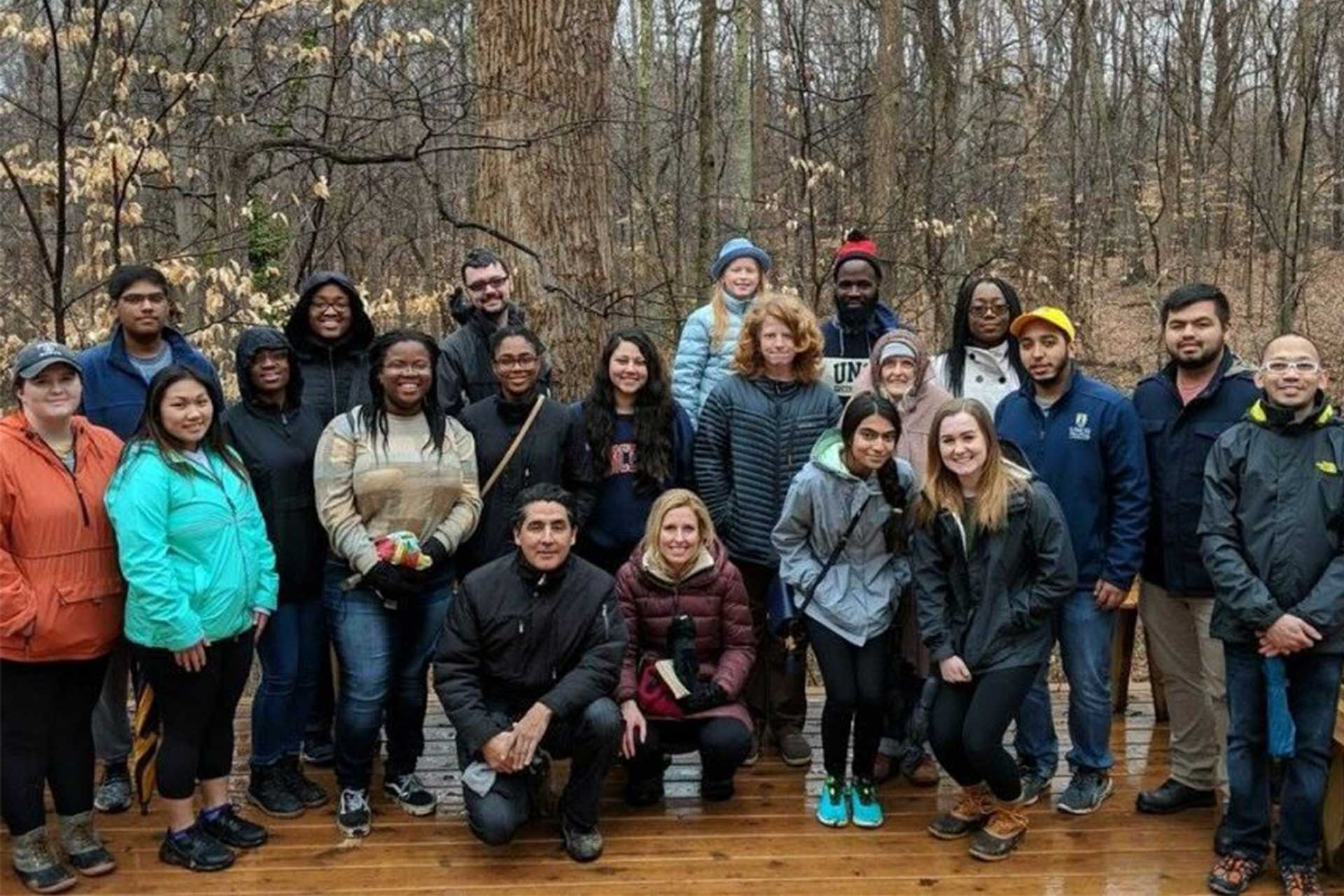
This hybrid offering will be an in-person/virtual visit to the “Underground Railroad Tree” in the Guilford Woods of North Carolina. The 300-year-old Tulip Poplar tree is a living monument and witness to the freedom-seekers who were part of this eastern seaboard launching point of the Underground Railroad during the early 19th century. The great tree is located in a 350-acre forest in Greensboro, N.C. We will walk through the woods, share the history of the area, read excerpts from primary source accounts (journals and runaway ads), look at material culture and discuss the oral history of runaway enslaved people (maroons), and explore the ways in which we–people and our living world–create community and connectivity underground, overground, everywhere.
Led by historian Omar H. Ali from UNC Greensboro, the offering is part of the “Let’s Learn!: The World as Classroom” initiative of Lloyd International Honors College at UNC Greensboro and the East Side Institute in New York, in partnership with improvscience, the African American & African Diaspora Studies Program at UNC Greensboro, and the all-disciplinary honors society Phi Kappa Phi.
Greensboro is on traditional Keyauwee and Saura lands settled in the mid-18th century by Euro-Americans who drew upon enslaved African labor. The city was a launching point of the Underground Railroad, a center of textile production and distribution to the world, a catalyst of the modern civil rights movement, and is a refugee site with over 150 languages spoken in its school districts today–a global city that teaches us about cultural diversity, social justice, human geography, political economy, and world history.